
Homeopathic Medicine
Best Homeopathic Medicine for Hair Fall and Regrowth

Jan
Hair fall is a concern that slowly creeps into your daily life. At first, it is just a few strands on your pillow or in the shower. Over time, thinning becomes visible, and the worry grows. Many people try oils, shampoos, and quick fixes, but the results often remain temporary. This is why more people today search for homeopathic medicine for hair fall as a natural and long-term option.
Homeopathy focuses on identifying the internal reason behind hair loss rather than treating it as a surface problem. Stress, hormonal changes, nutritional weakness, emotional strain, and scalp conditions all play a role. When these factors are addressed properly, hair fall can be controlled more effectively.
What Causes Hair Fall?

Hair fall is not always a disease. Losing 50 to 100 strands a day is considered normal. The problem begins when the loss becomes excessive or continues for months.
Common causes of hair fall include:
- Mental stress and emotional pressure
- Hormonal changes, especially in women
- Nutritional deficiencies like iron or protein
- Dandruff and scalp infections
- Genetic tendency
- Poor sleep and irregular routine
You may also notice hair fall after illness, childbirth, or sudden weight changes. In such cases, the hair roots become weak, leading to increased shedding.
How Homeopathy Works for Hair Fall
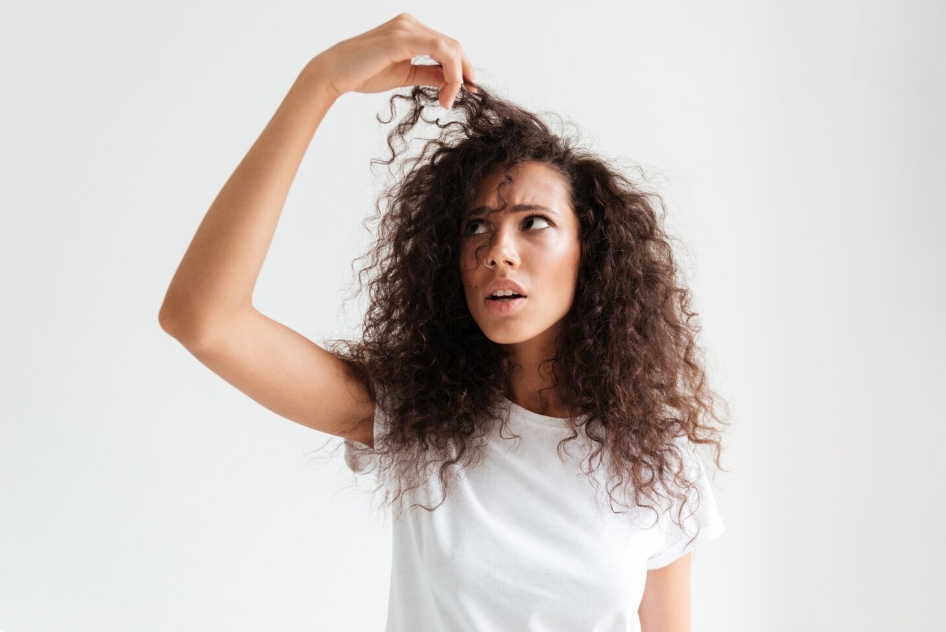
Homeopathy treats hair fall by studying your symptoms as a whole, not just the hair problem. Your emotional state, digestion, sleep pattern, and scalp condition all matter. Instead of giving the same medicine to everyone, homeopathy selects remedies based on:
- Pattern of hair loss
- Type of scalp (dry, oily, itchy)
- Emotional triggers like anxiety or grief
- Hormonal or age-related changes
This personalised method is why homeopathic medicine for hair fall and regrowth often shows steady and lasting results when taken correctly under professional guidance.
9 Top Homeopathic Medicine for Hair Fall
Not all hair fall cases fit into the same pattern. Sometimes the cause lies in hormonal changes, age, or long-standing scalp issues. In such situations, the following homeopathic medicines are often considered based on individual symptoms.
1. Phosphorus
Phosphorus is one of the most commonly prescribed homeopathic medicines when hair fall begins suddenly and aggressively. You may notice hair coming out in large quantities while washing your hair, oiling the scalp, or even while gently combing. The hair often looks dry, lifeless, and thin, with a tendency to break easily.
This remedy is especially useful when hair fall worsens during periods of mental stress, anxiety, or emotional overload. People who benefit from Phosphorus often feel mentally tired, sensitive, and easily affected by pressure. Hair loss in such cases progresses quickly, which is why timely treatment becomes important. Phosphorus helps control excessive shedding and supports healthier hair roots when selected correctly.
2. Fluoric Acid (Fluoricum Acidum)
Fluoric Acid is mainly used when hair loss develops slowly and steadily over time rather than appearing suddenly. It is often recommended for people who notice gradual thinning of hair, widening of the hair part, or a receding hairline.
This medicine is also considered when premature greying appears along with hair fall. Hair roots may feel loose, and hair growth may seem uneven or weak. Fluoric Acid is commonly selected in long-standing cases where hair quality has declined over the years, helping support better hair structure and root strength.
3. Lycopodium Clavatum
Lycopodium is a plant-based homeopathic remedy frequently prescribed when hair fall begins from the temples, forehead, or crown area. This pattern is commonly seen in both men and women.
Hair fall in such cases is often linked to digestive disturbances like gas, bloating, or poor digestion. Many people who need Lycopodium also experience mental stress, self-doubt, or performance pressure. Hair fall may worsen after mental effort or toward the evening. This remedy is selected when internal imbalance plays a key role in hair loss.
4. Silicea
Silicea is known for its role in supporting weak, fragile, and poorly nourished hair. It is useful when hair breaks easily, grows very slowly, or lacks thickness and strength.
This medicine is often considered in long-term hair fall cases where the problem develops gradually and continues despite proper hair care. Silicea supports scalp nourishment and helps strengthen hair from the root, making it useful when hair quality has declined over time rather than due to sudden causes.
5. Natrum Muriaticum
Natrum Muriaticum is prepared from natural salt in diluted form and is commonly prescribed when hair fall is linked to emotional factors. Stress, grief, disappointment, or long-term emotional strain often trigger hair loss in such cases.
This remedy is widely used for post-pregnancy hair fall and hair loss associated with hormonal changes. The scalp is often dry, and hair may appear thin and weak. People who benefit from this medicine may appear calm outwardly but carry emotional stress internally. Proper selection helps reduce hair fall linked to emotional and hormonal imbalance.
6. Thuja Occidentalis
Thuja is mainly used when hair fall is connected to scalp-related problems rather than internal weakness alone. Common signs include dandruff, itching, oily scalp, and white flakes sticking to the hair roots.
Hair fall in such cases often improves once scalp health is corrected. Thuja helps address underlying scalp conditions, creating a healthier environment for hair to grow normally. It is often chosen when hair loss is accompanied by persistent scalp discomfort.
7. Sepia
Sepia is mainly prescribed for women facing hair fall due to hormonal imbalance. This is commonly seen after childbirth, during irregular menstrual cycles, or around menopause.
Hair fall in such cases is often accompanied by tiredness, mood changes, and lack of interest in daily activities. Many women also report hair thinning along with emotional sensitivity. Sepia is selected when hormonal changes strongly influence hair loss and energy levels feel low.
8. Graphites
Graphites is useful when hair fall is closely linked to skin and scalp problems. It is commonly considered when the scalp is very dry, itchy, or covered with thick dandruff.
Hair growth may appear slow, and hair strands often feel rough and weak. In some cases, hair fall is associated with skin conditions such as eczema. Graphites helps improve scalp condition, which supports better hair strength over time.
9. Baryta Carbonica
Baryta Carbonica is often used in cases of age-related hair thinning. Hair loss in such cases usually develops slowly and leads to reduced hair density rather than sudden shedding.
This remedy is commonly considered when hair becomes thin, weak, and sparse as age increases. It is selected when hair fall is gradual and linked to overall physical weakness rather than stress or scalp problems.
Homeopathic Medicine for Hair Fall and When to Use Them
| Homeopathic Medicine | Key Symptoms / Indications | Type of Hair Fall |
| Phosphorus | Sudden hair fall in bunches; dry, thin hair; worsens during stress or emotional strain | Rapid, stress-related shedding |
| Fluoric Acid (Fluoricum Acidum) | Gradual thinning; receding hairline; premature greying; loose hair roots | Slow, age-related or long-standing hair fall |
| Lycopodium Clavatum | Thinning at temples or crown; linked to digestive issues; worsens after mental effort | Patterned hair loss, internal imbalance-related |
| Silicea | Weak, brittle, breaking hair; slow growth; poor scalp nourishment | Gradual, long-term hair fall |
| Natrum Muriaticum | Hair fall after emotional stress or grief; post-pregnancy hair fall; dry scalp | Hormonal and stress-related hair loss |
| Thuja Occidentalis | Hair fall with dandruff; oily or itchy scalp; flaky scalp | Scalp-related hair loss |
| Sepia | Hair fall after childbirth or hormonal changes; tiredness; mood swings | Hormonal hair loss in women |
| Graphites | Hair fall with dry, rough scalp; thick dandruff; slow hair growth | Scalp and skin-related hair loss |
| Baryta Carbonica | Gradual hair thinning with age; weak and sparse hair | Age-related hair loss |
Common Mistakes That Delay Results
Even with proper homeopathic treatment, hair fall may persist or slow in improvement if certain mistakes are repeated:
- Frequent product switching: Changing shampoos, oils, or treatments too often can irritate the scalp.
- Excessive heat styling: Curling, straightening, or blow-drying regularly weakens hair strands.
- Ignoring underlying health issues: Hormonal imbalance, thyroid problems, or iron deficiency can reduce treatment effectiveness.
- Neglecting scalp care: Dry, oily, or dandruff-prone scalp requires attention; otherwise hair roots remain weak.
- Expecting instant results: Hair regrowth takes time. Patience is key, as homeopathy works gradually by addressing root causes.
By avoiding these mistakes and combining proper hair care with homeopathic medicines, you can achieve noticeable improvement in hair strength and density.
Supporting Hair Care Along with Homeopathy
While taking homeopathic medicine for hair fall, following simple hair care practices can support the effectiveness of treatment and improve overall scalp health. Here’s what you should focus on:
- Gentle Hair Handling
- Avoid pulling or rubbing your hair roughly, especially when wet.
- Use a wide-tooth comb to prevent unnecessary breakage.
- Avoid tight hairstyles that put tension on the roots.
- Mild Cleansing and Scalp Care
- Use mild, chemical-free shampoos suitable for your scalp type.
- Avoid frequent chemical treatments, dyes, or harsh styling products.
- Light scalp massage with fingertips improves blood circulation, nourishing hair roots naturally.
- Healthy Lifestyle Habits
- Maintain a balanced diet rich in proteins, iron, vitamins, and minerals.
- Stay hydrated and ensure regular sleep.
- Reduce stress through relaxation techniques, meditation, or light physical activity.
- Regular Monitoring
- Track your hair fall pattern and hair quality to understand which remedies are working best.
- Note any changes in scalp condition, texture, or growth rate, and discuss them with your homeopathic doctor.
Following these simple habits along with your prescribed homeopathic medicines ensures long-term improvement and healthier hair growth.
Conclusion
Hair fall can feel frustrating, but it often signals internal imbalances rather than just a surface problem. Using the right, Homeopathic Medicine for hair fall, combined with proper hair care, balanced nutrition, and stress management, can help control hair shedding and promote stronger, healthier hair.
Remedies such as Phosphorus, Silicea, Lycopodium, Natrum Muriaticum, and Thuja are selected based on individual symptoms, ensuring a personalized and effective approach. Patience is key, as homeopathy works gradually, supporting long-term results rather than offering a quick fix.
For the best outcomes, consult a qualified homeopathic practitioner who can guide you on the appropriate remedy and dosage tailored to your specific hair fall pattern.
Frequently Asked Questions (FAQs)
Q1. Is homeopathy effective for hair fall?
Yes. Homeopathy targets the root causes of hair fall, such as stress, hormonal imbalance, or scalp issues. By addressing these internal factors, homeopathic medicines can help reduce hair shedding gradually and improve hair quality over time.
Q2. How long does it take to see results?
Hair regrowth is a slow process. Most people notice reduced hair fall within 4–8 weeks. Visible improvement in hair thickness and texture usually takes a few months, depending on the cause and individual response.
Q3. Can men and women both benefit from Homeopathic medicine for hair fall?
Absolutely. Remedies are selected based on symptoms, not gender. For example, Phosphorus or Silicea may be used in men, while Sepia or Natrum Muriaticum may be recommended for women with hormonal hair loss.
Q4. Are homeopathic medicines safe for hair fall?
Yes, Homeopathic medicine for hair fall are prepared in highly diluted forms and are generally safe when taken under professional guidance. They do not cause side effects or dependency. However, self-medication is not recommended.
Q5. Can homeopathy help with dandruff-related hair fall?
Yes. Medicines like Thuja, Graphites, and Natrum Muriaticum are often prescribed when hair fall is associated with dandruff, itchy scalp, or oily scalp. Improving scalp health is essential for hair growth.
Disclaimer
The information provided in this article is for educational purposes only and should not replace professional medical advice. Homeopathic treatment should be taken under the supervision of a qualified homeopathic doctor. If hair fall persists, worsens, or is accompanied by other health issues, consult a healthcare professional to rule out underlying medical conditions.
