
Insurance
Does Homeowners Insurance Cover Roof Replacement?
Sep
When your roof develops significant damage, one of the first questions that comes to mind is whether your homeowners insurance will pay for repairs or replacement. The answer is not always straightforward, as coverage depends on several factors including the cause of damage, your policy terms, and the age of your roof. Understanding what your homeowners insurance actually covers can help you make informed decisions about roof maintenance and protect yourself from unexpected expenses. This guide explains what situations typically qualify for insurance reimbursement and how to navigate the complexities of roof coverage.
When Homeowners Insurance Covers Roof Damage
Homeowners insurance typically covers roof damage caused by sudden, accidental events that are beyond your control. Damage from severe storms, such as high winds, hail, or falling tree branches, is generally covered under a standard homeowners policy. Damage from fire, lightning strikes, or other unexpected disasters usually qualifies as well. Most policies will cover the cost to repair or replace the damaged section of your roof, though you may be responsible for paying a deductible first. Reviewing your actual coverage document and confirming the specifics with your insurance agent is the most reliable way to understand what applies to your situation.
The key distinction is that insurance covers sudden damage, not gradual wear and tear or preventable deterioration. If your roof suffers damage from a severe ice storm or is struck by a tree during high winds, your insurance company should cover the repair costs minus your deductible. Many homeowners find this distinction useful when deciding whether to file a claim or handle minor repairs independently. Your insurance agent can clarify whether a specific type of damage qualifies under your particular policy terms.
Situations Where Insurance Typically Does Not Cover Roof Replacement
Homeowners insurance generally does not cover damage that results from lack of maintenance or normal aging. If your roof is old and deteriorating, your insurance company will not pay for replacement simply because the shingles are worn or the roof has reached the end of its expected lifespan. Damage caused by neglect, such as moss growth that leads to rot or failure to clean gutters that causes water backup, typically falls outside coverage. If your roof collapses due to heavy snow accumulation and you failed to have it cleared despite knowing the risk, your claim may be denied.
Damage from poor installation, manufacturing defects, or faulty repairs also falls outside the scope of standard homeowners insurance. If your roof fails because a contractor did not follow proper installation procedures, you would need to pursue a claim against that contractor rather than your insurer. Intentional damage or damage resulting from your own negligence will not be covered either. Understanding these exclusions helps you recognize situations where maintenance and proper care remain your responsibility as a homeowner.
Age and Deductible Considerations
The age of your roof significantly impacts both coverage eligibility and the amount your insurance will reimburse. Many insurance companies will not provide full replacement coverage for roofs that exceed a certain age, often around 20 to 25 years depending on the insurer and material type. Some companies may deny coverage altogether for older roofs, while others may pay only a depreciated amount based on the roof’s remaining useful life. Ask your insurance agent about any age-related limitations in your specific policy before a loss occurs.
Your deductible also plays a crucial role in how much coverage you actually receive. If your policy has a $1,000 deductible and your roof damage requires $5,000 in repairs, you would typically pay the $1,000 and your insurance would cover the remaining $4,000. Some policies include special deductibles for wind or hail damage that may be higher than your standard deductible, sometimes expressed as a percentage of your home’s insured value. Understanding your deductible structure before damage occurs helps you budget and decide whether filing a claim makes financial sense.
The Claims Process for Roof Damage
Filing an insurance claim for roof damage requires documentation and patience throughout the investigation process. Notify your insurance company as soon as you discover damage, and take photos and videos of the affected areas to document the extent of the problem. Your insurer will assign an adjuster to inspect the damage, assess whether it is covered under your policy, and determine the cost of repairs or replacement. This process typically takes several days to a few weeks depending on the complexity of the claim.
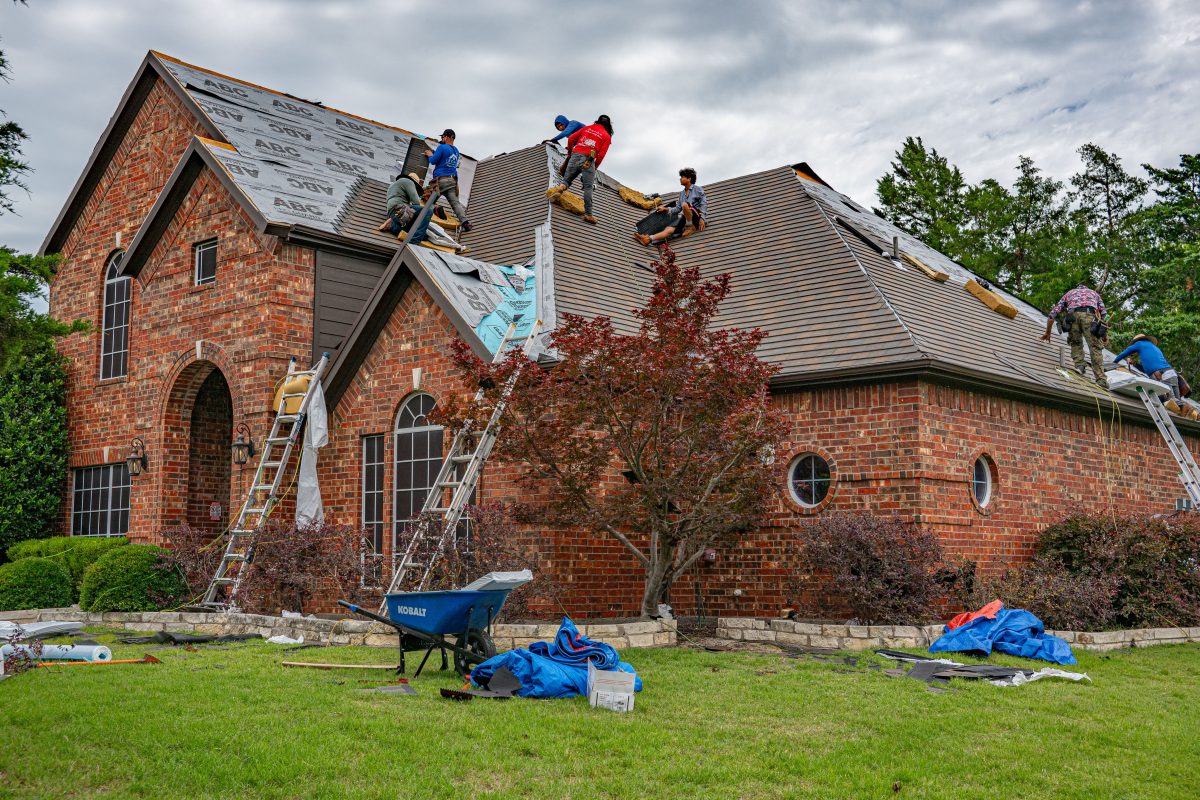
After the adjuster submits their report and your claim is approved, you can gather estimates from roofing contractors for the repair or replacement work. Roof replacement at this stage requires homeowners to collect multiple contractor estimates so they can select a qualified professional at a reasonable price and ensure the final invoice aligns with the insurance company’s assessment. Once you have selected a contractor and the work is complete, submit the final invoice to your insurance company for reimbursement. Be aware that the insurance company’s estimate and a contractor’s estimate may differ, which can sometimes require negotiation to resolve.
Steps to Maximize Your Coverage
Taking proactive steps can help ensure you have adequate roof coverage and simplify the claims process if damage occurs. Review your homeowners insurance policy annually and discuss any coverage gaps or concerns with your insurance agent. If your roof is aging, consider whether additional riders or endorsements might provide better protection. Maintaining your roof through regular inspections, gutter cleaning, and prompt repairs of minor damage can help prevent claims from being denied on the basis of neglect.
Documenting your roof’s condition and maintenance history is also valuable in the event of a claim. Keep receipts for any repairs you have made and records of professional inspections, as this documentation can support your claim and demonstrate that damage resulted from an insurable event rather than poor upkeep. Photographing your roof periodically creates a visual record of its condition over time. Understanding your policy’s specific exclusions and coverage limits before a loss occurs ensures you are not caught off guard when damage happens.
Conclusion
Homeowners insurance can provide valuable protection against roof damage caused by sudden, unexpected events such as storms, fire, or falling debris. However, coverage is limited to specific circumstances and excludes damage from aging, poor maintenance, or gradual wear and tear. The age of your roof, your deductible amount, and the specific language in your policy all influence whether and how much you will be reimbursed. Taking time to understand your current coverage, maintaining your roof properly, and documenting its condition can help you maximize your protection and navigate the claims process more effectively.
