
Homeopathic Medicine
Benefits of Black Pepper for Digestion, Immunity, and Overall Health
Feb
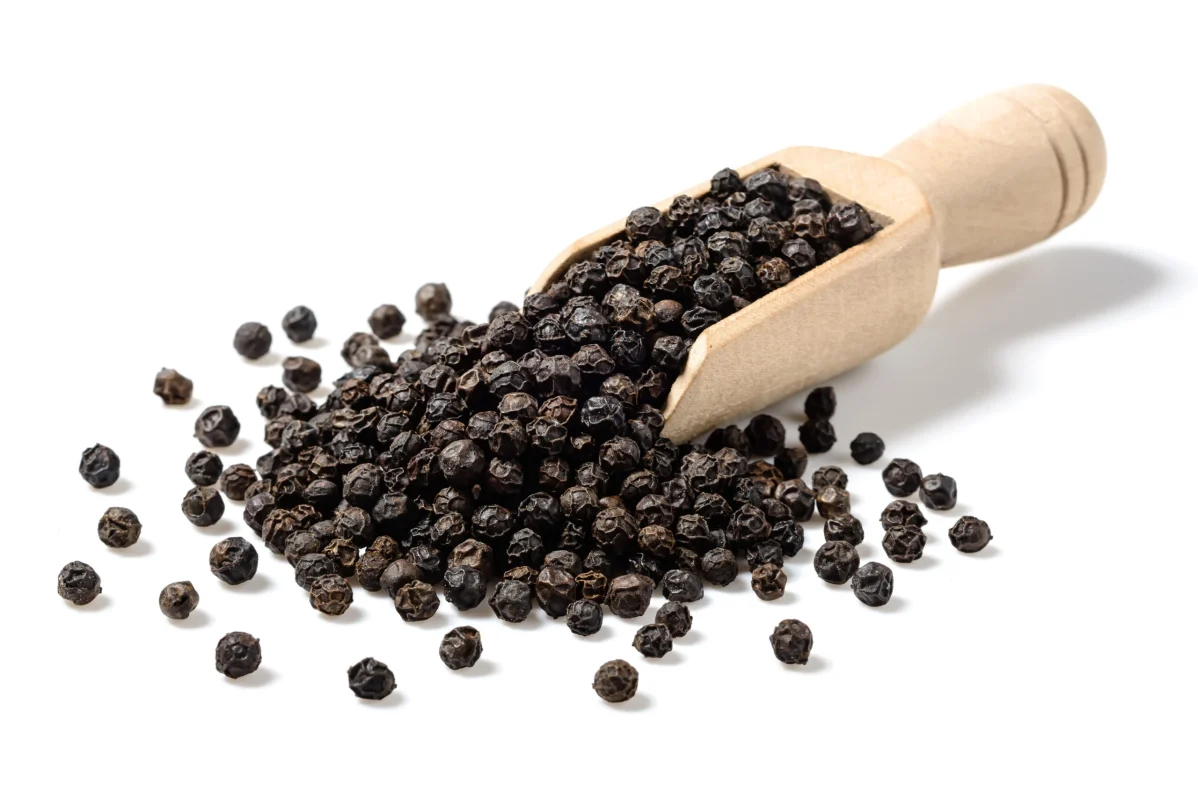
Black pepper is more than just a kitchen staple; it’s a spice with remarkable health advantages. Known as the “king of spices,” it adds flavor to countless dishes, but its true power lies in its active compound, piperine. The benefits of black pepper include supporting digestion, enhancing nutrient absorption, providing antioxidant protection, and gently aiding metabolism. Whether you sprinkle it on vegetables, soups, or snacks, or mix it into teas and broths, this everyday spice can quietly improve your overall wellness. Regular use makes it a simple yet effective addition to your daily diet.
7 Health Benefits of Black Pepper
Black pepper is more than just a kitchen spice; it naturally supports your body in multiple ways. From aiding digestion and nutrient absorption to supporting metabolism and immunity, this simple spice can make a meaningful difference in your daily health.
1. Supports Digestion
One of the key benefits of black pepper is its ability to support healthy digestion. Piperine stimulates digestive enzymes and stomach acid, helping break down proteins and other nutrients more efficiently. This can reduce bloating, gas, and post-meal discomfort.
When your digestive system functions smoothly, nutrient absorption improves, and meals feel lighter. Regular use of black pepper in your diet naturally maintains digestive comfort and gut health.
2. Improves Nutrient Absorption
Black pepper is highly effective in helping your body make the most of the nutrients you consume. Piperine increases the bioavailability of vitamins B and C, minerals like selenium, and antioxidants such as beta-carotene. It also helps the body absorb curcumin from turmeric more efficiently.
By adding black pepper to your meals, your body can utilize more nutrients, supporting energy, overall wellness, and making your diet more effective without relying on supplements.
3. Packed with Antioxidants
Another valuable benefit of black pepper is its antioxidant properties. Free radicals from stress, pollution, and metabolism can damage cells and accelerate aging. Black pepper contains compounds that neutralize these harmful molecules, protecting your cells from oxidative stress.
Even a small amount sprinkled on meals contributes to long-term cellular health, supporting your body’s natural defense system.
4. Supports Weight Management and Metabolism
Piperine gently stimulates metabolism, helping your body process calories more efficiently. While black pepper is not a standalone weight-loss solution, it complements healthy eating and an active lifestyle.
Research suggests that piperine may influence fat cells, limiting the creation of new fat. Combined with balanced nutrition and exercise, black pepper naturally supports healthy weight management.
5. Immune Function Support
Black pepper contains natural compounds with antimicrobial and anti-inflammatory effects. Regular consumption helps the immune system respond effectively to minor infections and reduces inflammation that may compromise immunity.
Using black pepper in soups, teas, or meals during colder months provides gentle, consistent support for your body’s defenses.
6. Respiratory Comfort and Cold Relief
For congestion or seasonal discomfort, black pepper can provide relief. Its compounds thin mucus, making it easier to clear airways. Warm drinks with a pinch of black pepper can soothe the throat and ease mild respiratory issues.
Although not a treatment for respiratory conditions, regular culinary use can help make breathing more comfortable and reduce minor congestion.
7. Supports Heart Health and Blood Sugar Regulation
The benefits of black pepper extend to heart and metabolic health. Piperine improves insulin sensitivity, helping regulate blood sugar and maintain steady energy levels.
Additionally, its antioxidant and anti-inflammatory effects reduce stress on blood vessels, supporting healthy circulation and heart function. Including black pepper in meals regularly encourages heart-friendly habits without major dietary changes.
Ways to Use Black Pepper in Your Daily Diet
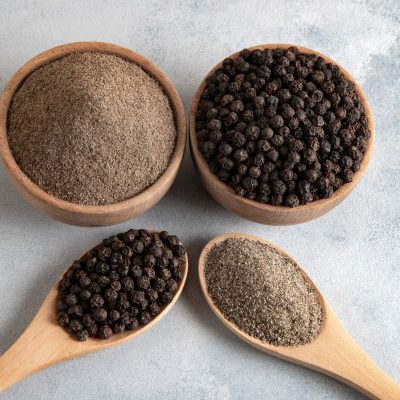
- Enhance cooked meals: Sprinkle freshly ground black pepper on vegetables, eggs, soups, and salads. Not only does it add a sharp, satisfying flavor, but it also supports your digestive system by stimulating enzyme activity.
- Roasted nuts and snacks: Add a pinch of black pepper to roasted nuts, seeds, or even popcorn. This simple addition improves flavor and provides minor but meaningful digestive and antioxidant support.
- Warm drinks and broths: Mix a small amount of black pepper into teas, warm broths, or herbal drinks. This can provide a gentle warming effect, helping your body stay comfortable during cold weather or seasonal changes.
- Combine with turmeric: Pairing black pepper with turmeric maximizes the absorption of curcumin, its active compound. This combination can enhance your body’s ability to utilize nutrients effectively, making your meals more beneficial for overall wellness.
- Incorporate into fruit or light snacks: A tiny sprinkle of black pepper on fresh fruit or yogurt can add a unique taste while contributing subtle digestive and antioxidant benefits.
- Flexible daily use: Black pepper is versatile enough to include in almost any meal or snack, ensuring that you can enjoy its benefits of black pepper without needing to overhaul your regular diet. Regular use can gently support digestion, nutrient absorption, and overall health over time.
Safety and Precautions
- Moderation is key: Black pepper is safe when used in typical culinary amounts. Excessive consumption may irritate your stomach or lead to mild heartburn.
- Sensitive digestive systems: Individuals with ulcers, acid reflux, or other digestive conditions should consult a healthcare provider before increasing black pepper intake. Even small adjustments can make a difference.
- Balanced seasoning: Using black pepper in combination with other spices and herbs can provide benefits without overwhelming your digestive system. For example, mixing it into cooked meals, teas, or turmeric-based dishes is usually safe and effective.
- Watch for overuse: While black pepper has many health benefits, consuming it in unusually large quantities may cause discomfort or digestive irritation. Stick to regular culinary amounts for optimal effects.
- Daily integration: For most people, adding black pepper consistently in meals or beverages is enough to experience its health advantages, including improved digestion, enhanced nutrient absorption, antioxidant protection, and minor immune support.
F.A.Qs
Q1: How much black pepper should you consume daily?
A small pinch to half a teaspoon per meal is enough to experience digestive and nutrient absorption benefits.
Q2: Can black pepper help with weight management?
Yes, piperine supports metabolism and fat cell regulation, but it works best alongside a healthy diet and activity.
Q3: Does black pepper improve nutrient absorption?
Absolutely. Piperine enhances the bioavailability of vitamins, minerals, and compounds like curcumin.
Q4: Is it safe to eat too much black pepper?
Excessive consumption can irritate the digestive system. Moderate use is the safest approach.
Q5: Can black pepper benefit skin and hair?
Its antioxidant and anti-inflammatory properties may indirectly support skin and hair by reducing internal stress and enhancing nutrient use.
Wrapping Up
Black pepper is much more than a common kitchen spice—it’s a natural ally for your health. Its active compound, piperine, supports digestion, improves nutrient absorption, provides antioxidant protection, and gently aids metabolism. Regular use can also promote immune function, support heart health, and help with minor respiratory comfort.
Including black pepper in your meals is simple and versatile. Whether sprinkled on vegetables, soups, snacks, or mixed into teas and broths, this everyday spice quietly contributes to your overall wellness. By making it a consistent part of your diet, you can enjoy the full benefits of black pepper while adding flavor to your food naturally.
Disclaimer
This article is for informational purposes only and is not a substitute for professional medical advice. Consult a healthcare provider before making changes to your diet or using black pepper for health purposes.
